


Stop Wasting Time on Traditional Recruiting: Try These 7 Heavy Industrial Hiring Hacks

Traditional recruiting methods are failing heavy industrial companies. While other industries have modernized their hiring approaches, too many mining, oil & gas, and manufacturing companies still rely on outdated strategies that waste time, money, and top talent.
The numbers don't lie: up to 2.1 million manufacturing jobs could remain unfilled by 2030 due to persistent skills gaps and ineffective recruitment practices. Meanwhile, your competitors are already implementing smarter hiring strategies that give them access to the best industrial talent before you even know they're available.
If you're tired of slow hiring cycles, unqualified candidates, and watching great workers slip away to other companies, it's time to abandon traditional recruiting and adopt these seven proven industrial hiring hacks that actually work in 2026.
Hack #1: Implement Skills-Based Hiring Over Degree Requirements
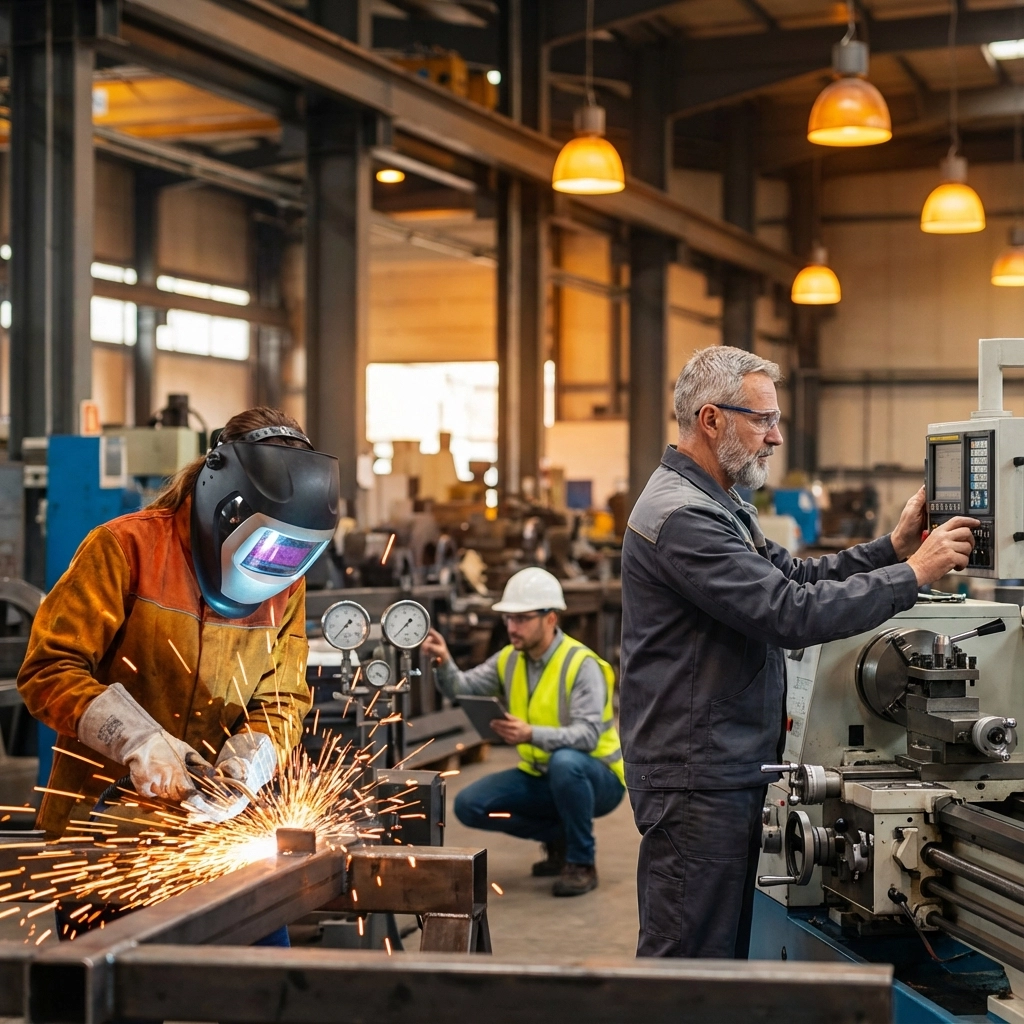
Stop filtering out experienced industrial workers because they lack a four-year degree. The best welder, machinist, or equipment operator you'll ever hire might have learned their trade through apprenticeships, military service, or decades of hands-on experience.
What traditional recruiting does: Requires bachelor's degrees for positions that don't actually need them, eliminating 70% of qualified candidates before they even apply.
What smart industrial recruiters do:
Focus on demonstrable skills and certifications (AWS welding certifications, OSHA training, equipment-specific licenses)
Create practical skills assessments instead of relying solely on resumes
Partner with trade schools and apprenticeship programs to identify emerging talent
Value military experience and technical training equivalencies
This approach immediately expands your talent pool while identifying candidates who can actually perform the job from day one. Many of the most skilled industrial workers have been overlooked by companies stuck in degree-requirement thinking.
Hack #2: Use AI-Powered Sourcing to Find Hidden Talent
The best industrial workers aren't actively looking for jobs – they're already employed. Traditional job postings only attract about 30% of the available talent pool. The other 70% requires proactive sourcing strategies that most companies completely ignore.
Smart AI-powered sourcing strategies:
Use LinkedIn and industry-specific databases to identify passive candidates with the exact certifications you need
Set up automated alerts for professionals who change their status or post about career transitions
Target workers from companies that are downsizing or closing facilities
Monitor industry forums and professional groups for engaged, knowledgeable workers
Professional industrial recruiters have access to sourcing tools and databases that internal HR teams simply can't afford or don't know how to use effectively. This is why partnering with a specialized recruiting firm often yields better candidates faster than trying to do everything in-house.
Hack #3: Speed Up Your Decision-Making Process
In heavy industrial hiring, speed wins. The best candidates are off the market within 5-7 days of starting their job search. If your hiring process takes 4-6 weeks, you're automatically eliminated from competing for top talent.
Traditional recruiting timeline: Application → Phone screen → First interview → Second interview → Reference checks → Offer (4-6 weeks)
Optimized industrial hiring timeline:
Phone pre-qualification within 24 hours
In-person or video interview within 48 hours
Skills assessment during the interview
Reference checks conducted immediately after positive interview
Offer extended within 72 hours of initial contact
Key speed improvements:
Have your interview team pre-aligned on requirements and compensation ranges
Conduct reference checks while candidates are still in your office
Make verbal offers immediately after successful interviews, with written confirmation following within 24 hours
Eliminate unnecessary approval layers for standard salary ranges
Hack #4: Leverage Geographic Flexibility for Specialized Roles
Heavy industrial companies often struggle to find specialized talent in their immediate area. Instead of limiting yourself to local candidates, expand your geographic reach for roles that justify relocation assistance.
Roles worth recruiting nationally:
Mine engineers and geologists
Process improvement specialists
Safety managers with specific industry certifications
Equipment specialists for unique machinery
Project managers with relevant industrial experience
Geographic expansion strategies:
Offer relocation packages for senior and specialized positions
Partner with recruiters who have national networks in your industry
Target professionals in regions where similar industries are declining
Consider remote work options for engineering, planning, and administrative roles
Many experienced industrial workers are willing to relocate for the right opportunity, especially when moving from areas with limited opportunities to regions with growing industrial sectors.
Hack #5: Build Relationships with Industry-Specific Talent Communities
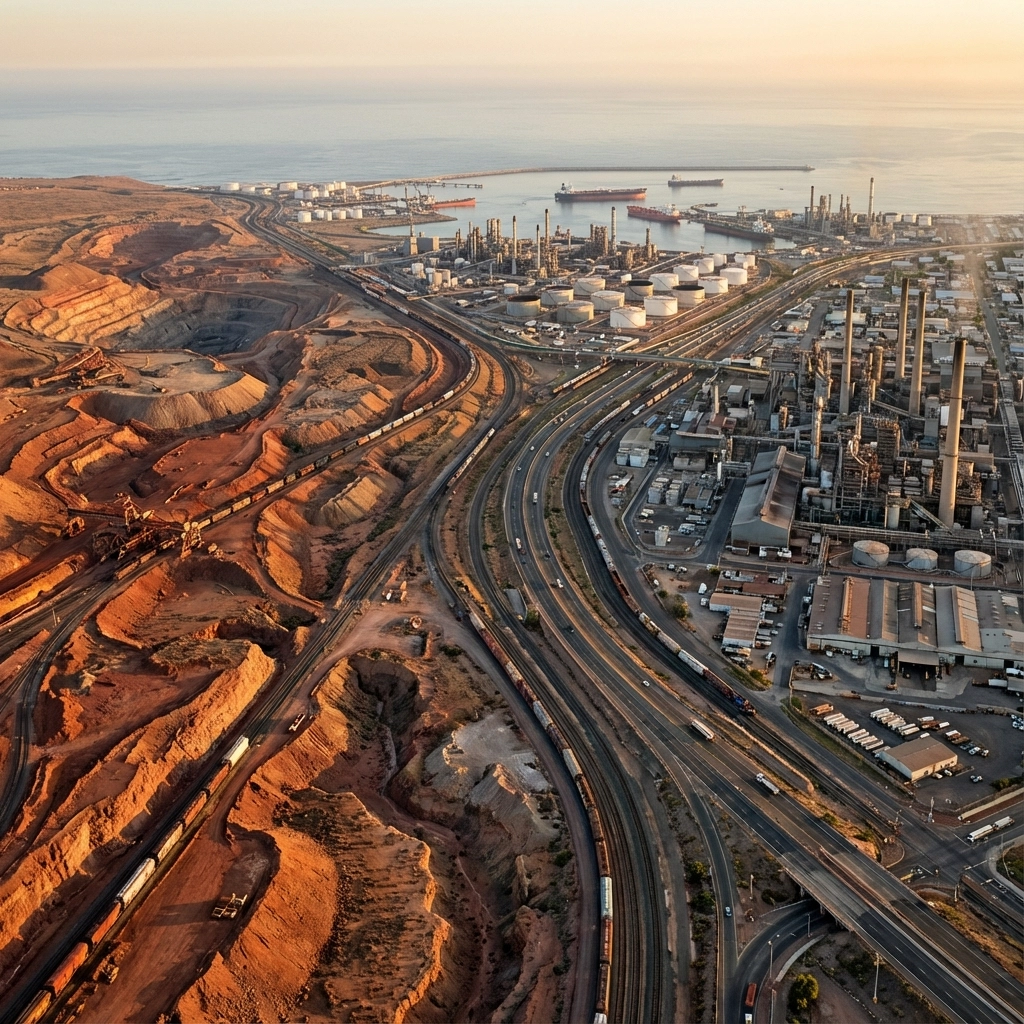
The best industrial hiring happens before positions become urgent. Smart companies build ongoing relationships with talent communities so they have access to qualified candidates when needs arise.
Community-building strategies:
Maintain relationships with alumni from relevant trade schools and technical programs
Participate in industry conferences and trade shows as a talent scout, not just for business development
Create referral programs that reward current employees for bringing in quality candidates
Stay connected with former employees who left on good terms
Develop relationships with contractors and temporary workers who could become permanent hires
Industry-specific talent sources:
Mining: Partner with mining engineering programs, geological societies, and mining equipment companies
Oil & Gas: Connect with petroleum engineering schools, energy industry associations, and professionals transitioning from other energy sectors
Manufacturing: Build relationships with technical colleges, machinist unions, and equipment manufacturers
Hack #6: Focus on Cultural Fit and Safety Mindset
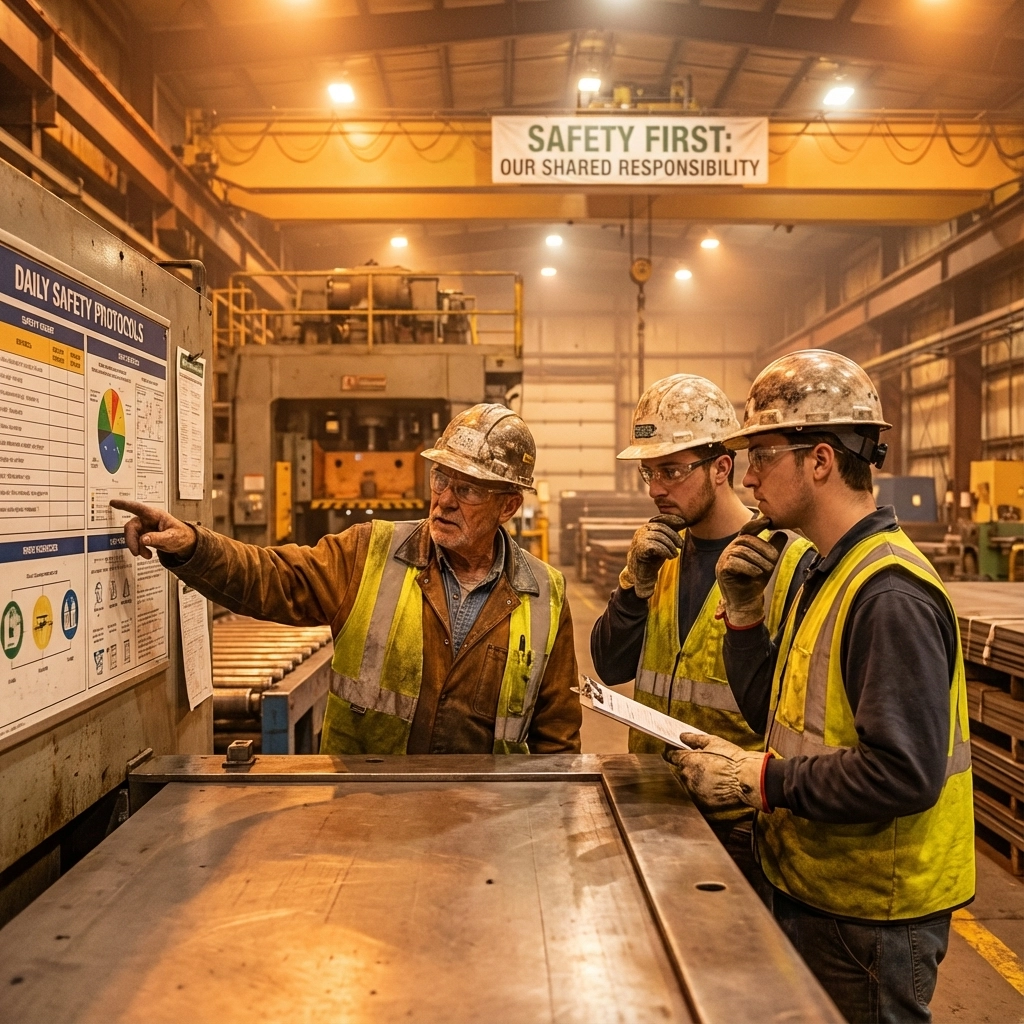
Technical skills get candidates in the door, but cultural fit and safety consciousness determine long-term success in heavy industrial environments. Traditional recruiting often misses these critical factors.
Key cultural assessment areas:
Safety mindset: Look for candidates who naturally think about safety protocols and risk mitigation
Teamwork in high-pressure situations: Industrial work often requires seamless collaboration under challenging conditions
Problem-solving approach: Assess how candidates handle unexpected equipment failures or process issues
Communication skills: Even technical roles require clear communication with team members and supervisors
Assessment techniques beyond the standard interview:
Ask for specific examples of safety initiatives or improvements they've implemented
Present hypothetical equipment failure scenarios and evaluate their problem-solving approach
Include facility tours where you can observe how candidates interact with equipment and safety protocols
Involve team members in the interview process to assess interpersonal fit
Hack #7: Partner with Specialized Industrial Recruiters
The biggest hiring hack is recognizing when to bring in professional help. Specialized industrial recruiters have access to talent networks, sourcing tools, and industry expertise that internal HR teams can't replicate.
Why specialized recruiting expertise matters:
Industry knowledge: Understanding the specific certifications, experience levels, and skill combinations your roles actually require
Established networks: Relationships with passive candidates who aren't visible through traditional job postings
Time efficiency: Professional recruiters can source, screen, and present qualified candidates while your team focuses on operations
Market intelligence: Knowledge of compensation trends, competitor hiring activities, and talent availability
When to use professional recruiting services:
Hard-to-fill specialized positions (mine engineers, process specialists, safety managers)
Senior leadership roles that require industry experience
Rapid expansion situations where you need to hire multiple positions quickly
Geographic expansion where you need talent in new markets
At Insight Staffing Group, we specialize exclusively in permanent placements for mining and heavy industrial sectors. Our deep industry knowledge and established talent networks help companies avoid the common recruiting mistakes that lead to bad hires and extended vacancy periods.
The Cost of Sticking with Traditional Recruiting
Traditional recruiting methods don't just waste time – they cost real money. Every day a critical position remains unfilled represents lost productivity, overtime costs for existing employees, and potential safety risks from understaffing.
Hidden costs of slow recruiting:
Lost productivity: A vacant equipment operator position can cost $500-1,000 per day in reduced output
Overtime expenses: Existing employees working extra hours while positions remain open
Training costs: Rushing to fill positions often leads to hiring underqualified candidates who require extensive training
Safety risks: Understaffed operations increase accident probability and regulatory compliance issues
Competitive disadvantage: Missing out on contracts or opportunities due to insufficient staffing
The most successful heavy industrial companies have already moved beyond traditional recruiting methods. They're using these proven strategies to build competitive advantages through superior talent acquisition.
Ready to modernize your industrial hiring approach? Stop wasting time with outdated recruiting methods that don't work in today's competitive talent market. Whether you need to fill critical positions quickly or build a pipeline of qualified candidates for future needs, specialized recruiting expertise can transform your hiring results.
Contact our industrial recruiting specialists to learn how we help mining, oil & gas, and manufacturing companies find the specialized talent they need to stay competitive and grow.
Comments