


2026 US Manufacturing Outlook: Navigating Tariffs and the Great Rebound

If you're in the manufacturing space, you've probably felt like you've been riding a rollercoaster for the past year. Between tariff whiplash, workforce shortages, and economic uncertainty, 2025 tested even the most resilient operations. But here's the thing: 2026 is shaping up to be different.
As an industrial recruiter working with manufacturing companies across the country, we've had a front-row seat to the chaos. We've also seen the early signs of what's coming next. And honestly? There's reason for cautious optimism.
Let's break down what happened, where we're headed, and what smart manufacturers are doing right now to come out ahead.
2025: The Year Manufacturing Got Squeezed
Let's not sugarcoat it: 2025 was brutal for US manufacturing.
The workforce shrank to approximately 12.7 million workers, marking one of the toughest hiring environments in recent memory. Costs rose, employment fell, and manufacturing construction spending declined steadily throughout the year.
But here's the paradox: even as the workforce contracted, 72% of manufacturers reported they still desperately need skilled production workers. The talent gap didn't close: it widened.
What drove this disconnect? A perfect storm of factors:
Tariff uncertainty ranked as the top concern for more than three-quarters of manufacturers
80% of manufacturers paid tariffs on their inputs, squeezing margins
Supply chain disruptions forced companies into reactive mode
Experienced workers continued retiring faster than new talent entered the pipeline
The Tariff Situation: Understanding What Actually Happened
Trade policy dominated headlines throughout 2025, and for good reason. The tariff landscape shifted constantly, making long-term planning nearly impossible.
Here's what manufacturers dealt with:
Unpredictable policy changes that made it difficult to forecast costs
Input cost spikes that couldn't always be passed on to customers
Supply chain repositioning as companies scrambled to find tariff-friendly alternatives
Investment hesitation because nobody wanted to commit capital amid uncertainty
The real damage wasn't just the tariffs themselves: it was the uncertainty. When you don't know what your input costs will look like in six months, you don't hire. You don't expand. You hunker down and wait.
And that's exactly what happened across the sector.
2026: The Clouds Are Starting to Clear
So why are we talking about a "great rebound"? Because several key factors are aligning to create genuine opportunity.
Policy Clarity Is Finally Emerging
The One Big Beautiful Bill Act includes tax provisions specifically designed to lower manufacturing costs and encourage domestic investment. Revised trade deals with countries including the United Kingdom and Vietnam are helping reduce uncertainty.
Here's the critical insight: even with higher input costs, greater policy certainty supports more investment in US manufacturing. Manufacturers can work with predictable costs. They can't work with chaos.
Interest Rates Are Helping
With interest rate eases on the horizon, demand for manufactured goods is expected to reignite. Economic projections show 2.2% GDP growth in 2026, with a 45% probability of above-trend growth.
Lower borrowing costs mean:
More capital available for equipment upgrades
Expansion projects becoming financially viable
Hiring budgets opening up
Investment Is Flooding In
Two sectors are driving massive demand for manufactured components:
Data Centers: The AI boom is creating unprecedented demand for transformers, switchgear, and power management equipment. Several large manufacturers are sold out for multiple years on these components. Startups focused on small modular reactors attracted $3.9 billion in funding in 2024: a tenfold increase from 2023.
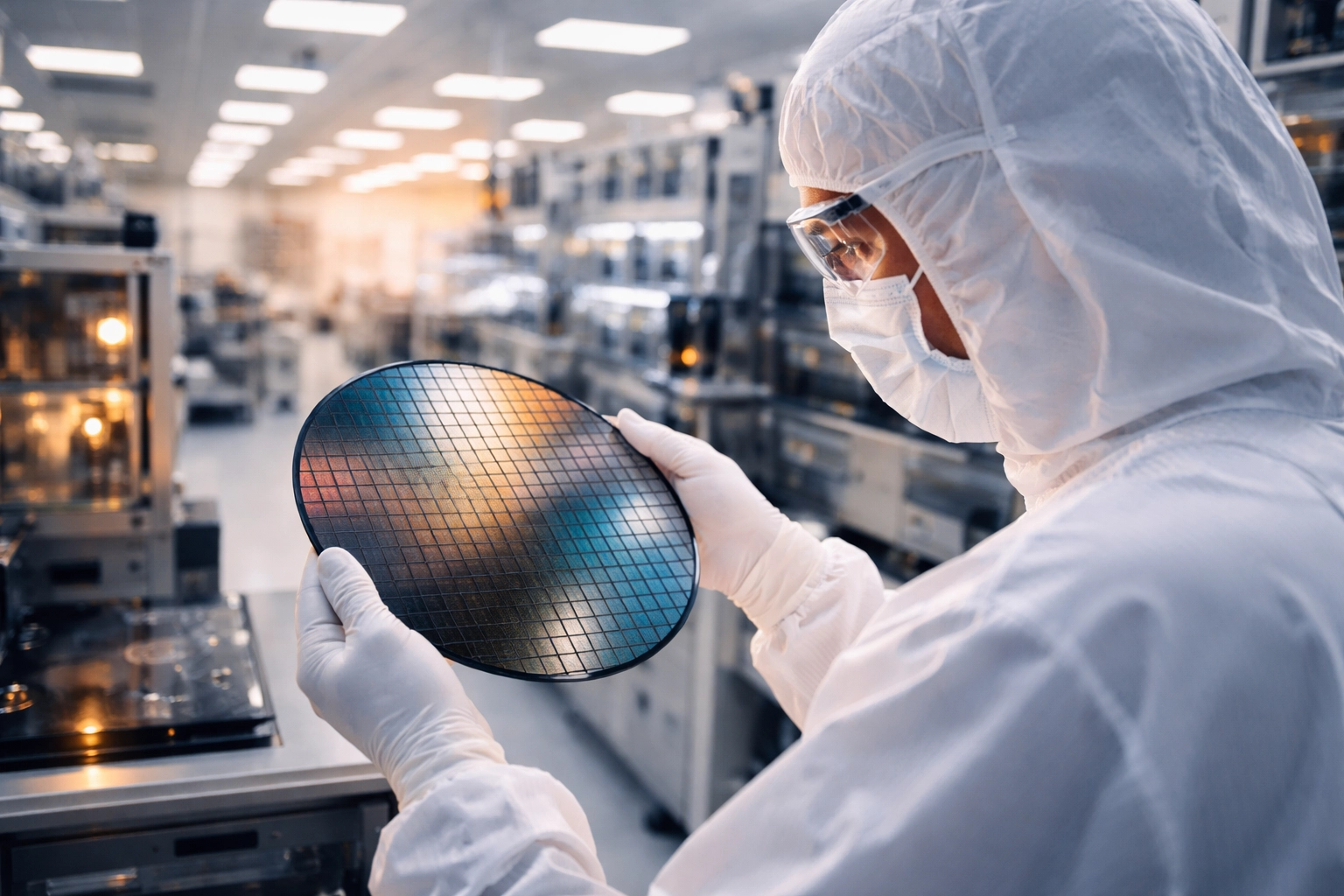
Semiconductors: Companies have announced more than $500 billion in private sector commitments to revitalize US chipmaking. Domestic capacity is projected to triple by 2032, creating more than 500,000 jobs. The advanced manufacturing investment credit increased from 25% to 35%, sweetening the deal even further.

The Hiring Reality: What Manufacturers Need Right Now
Here's where things get interesting for anyone involved in recruiting for the manufacturing sector.
Despite the workforce contraction, demand for specific skill sets has never been higher. The challenge isn't finding bodies: it's finding the right bodies.
The Skills Gap Is Real
Manufacturers aren't just looking for workers. They need:
Skilled production workers with hands-on experience
Automation technicians who can maintain increasingly sophisticated equipment
Quality control specialists who understand modern manufacturing standards
Maintenance professionals who can minimize downtime
Supervisors and managers who can lead in a changing environment
The 72% of manufacturers still seeking skilled production workers aren't being picky: they're being practical. Hiring the wrong person is expensive. Training takes time. And in a competitive market, you can't afford to make mistakes.
Precision Hiring Is the New Standard
This is why we're seeing a major shift toward what we call precision hiring. Instead of posting jobs and hoping for the best, smart manufacturers are:
Partnering with specialized manufacturing recruiters who understand the industry
Building talent pipelines before positions open
Focusing on cultural fit alongside technical skills
Investing in onboarding to improve retention
The days of high-volume, low-quality hiring are over. In 2026, every hire matters.
Reshoring: The Trend That's Accelerating
One of the most significant developments we're tracking is the continued push toward reshoring: bringing manufacturing operations back to US soil.
After years of supply chain disruptions, tariff headaches, and quality control challenges with overseas production, more companies are deciding that domestic manufacturing makes strategic sense.
This trend is creating opportunities across the board:
New facilities being built or expanded
Increased demand for experienced manufacturing professionals
Premium wages for workers with specialized skills
Career advancement opportunities as operations scale up
For job seekers in the manufacturing and heavy industrial space, this is excellent news. For employers, it means competition for talent is intensifying.
What Smart Manufacturers Are Doing Now
The companies positioning themselves for success in 2026 share some common characteristics. They're not waiting for conditions to be perfect: they're acting strategically right now.
Investing in Technology
Automation, advanced materials, and AI-driven solutions are top priorities. Companies that modernize their operations will be more competitive and more attractive to skilled workers who want to work with cutting-edge equipment.
Building Workforce Pipelines
Rather than scrambling when positions open, forward-thinking manufacturers are building relationships with industrial recruiters and developing ongoing talent strategies. They're creating apprenticeship programs, partnering with technical schools, and investing in training.
Maintaining Operational Agility
The companies that thrived in 2025's chaos were those that could adapt quickly. That same agility will be essential in 2026 as opportunities emerge.
Focusing on Retention
In a tight labor market, keeping your best people matters as much as finding new ones. Competitive compensation, clear career paths, and positive workplace culture aren't optional: they're essential.
The Bottom Line for 2026
US manufacturing is entering 2026 with cautious optimism. The worst of the tariff uncertainty appears to be behind us. Investment is flowing into key sectors. And while hiring remains challenging, the opportunities for well-prepared companies are significant.
The manufacturers who will win aren't the ones waiting for perfect conditions. They're the ones:
Building their teams strategically
Investing in technology and training
Partnering with specialized recruiters who understand the industry
Positioning themselves to capture demand as it rebounds
If 2025 was about survival, 2026 is about positioning for growth.
Ready to Build Your Manufacturing Team?
At Insight Staffing Group, we specialize in permanent placement for heavy industrial and manufacturing companies. We understand the unique challenges you're facing: and we know how to find the skilled professionals you need.
Whether you're expanding operations, backfilling critical roles, or building out a new facility, let's talk about your hiring strategy. The rebound is coming. Make sure you're ready for it.
Comments