


The 4.3% Illusion: Why Heavy Industrial Leaders Can’t Find Talent in a 'Softening' Market


If you’ve been watching the news lately, you’ve probably seen the headlines: "U.S. Labor Market Softens as Unemployment Holds at 4.3%." On paper, it sounds like the fever has finally broken. For most of the country, it looks like the talent wars of the early 2020s are settling into a manageable simmer.
But if you’re a Plant Manager in Ohio, an Operations Director at a copper mine in Arizona, or a VP of Logistics for a heavy manufacturing outfit, you’re likely staring at those numbers and thinking, "Who are they kidding?"
Because on the ground, in the real world of heavy industry, it doesn’t feel "soft." It feels like a cage match.
Welcome to the Industrial Talent Paradox of 2026. While the white-collar and service sectors might be cooling off, the demand for specialized technical talent is white-hot. The 4.3% unemployment rate is an illusion, a statistical average that masks a brutal reality for the industrial sector.
At Insight Staffing Group, we’re seeing it every day. The "Great Rebound" of American reindustrialization is in full swing, and it has created a talent vacuum that headline numbers simply can't explain.
The Sector Squeeze: Why Your Industry is Different
The problem with a national unemployment rate is that it treats a barista and a blast furnace technician as the same "data point."
In May 2026, we are seeing a massive divergence in the labor market. The tech sector and middle-management layers in corporate America have seen significant "right-sizing." That’s where your 4.3% is coming from, it's bloated by generalists.
But you don’t need a generalist. You need someone who understands the torque requirements of a specialized pump or a Mining Recruiter who knows how to find a Site Manager willing to live three hours from the nearest Starbucks.
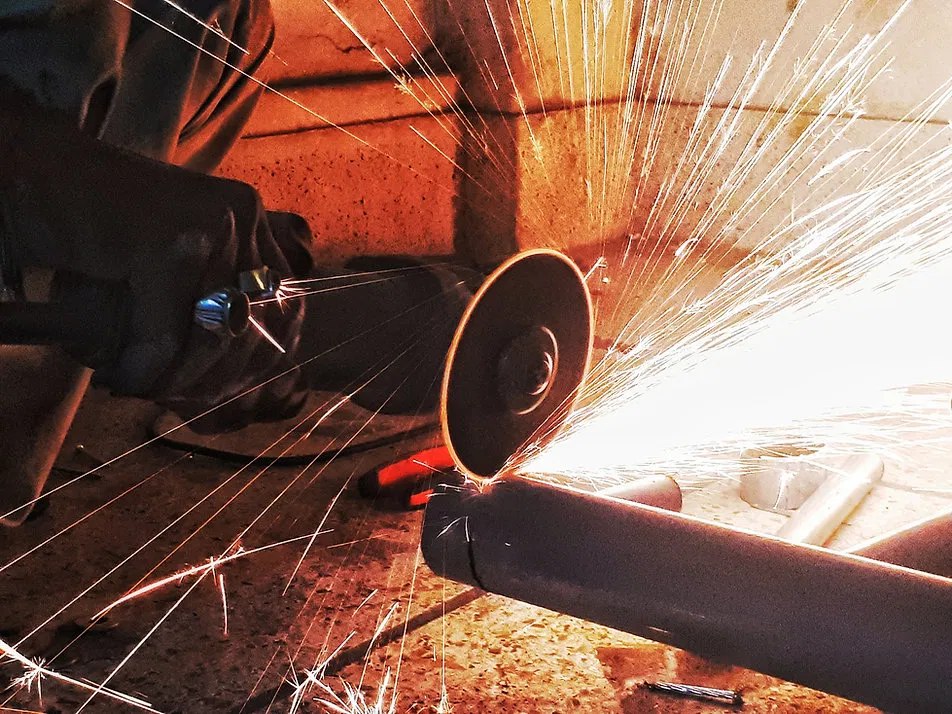
For industries like Mining, Oil & Gas, and Heavy Manufacturing, the "available" labor pool is actually shrinking. Why? Because the skills required for modern industrial roles have become so specialized that a general Recruiter looking at a stack of resumes is effectively blind.
The Reindustrialization Vacuum
We are currently living through the most significant reinvestment in American infrastructure and domestic manufacturing in seventy years. Between the massive energy transition projects and the reshoring of semiconductor and battery plants, the "Heavy Industrial" sector has expanded its footprint faster than the workforce can keep up.
Every new facility that breaks ground in the "Battery Belt" or every mine that reopens to support the critical minerals mandate isn't just looking for bodies, they are looking for the elite 5% of the workforce. They are competing for the same millwrights, the same safety directors, and the same specialized engineers that you are.
This isn't just "hiring." This is a battle for the human capital that makes reindustrialization possible. If you aren't working with a dedicated Manufacturing Recruiter or an Industrial Recruiter, you’re essentially bringing a knife to a gunfight.
The Knowledge Transfer Crisis (The 2026 Factor)
We also have to talk about the "Knowledge Cliff." In 2026, we are hitting the peak of the Baby Boomer retirement wave in the industrial sector. For years, we talked about "succession planning" as a future problem. Well, the future is here, and it's carrying a retirement cake.
When a senior lead at a lumber mill or a veteran drilling supervisor retires, they aren't just leaving a vacancy on the org chart. They are taking thirty years of institutional knowledge with them. Replacing that person isn't as simple as posting a job on a board and hoping for the best.

Traditional Recruiting methods fail here because the people capable of stepping into those roles are almost never "unemployed." They aren't part of that 4.3% statistic. They are currently employed, well-compensated, and being treated like gold by your competitors.
The Passive Talent Wall
This is the core of the illusion. The people you actually want to hire: the "very best" talent we talk about at Insight Staffing Group: don't have resumes on Indeed. They haven't updated their LinkedIn profiles in three years. They are "passive" candidates.
A generalist agency will send you the people who are actively looking. These are the people who make up the 4.3%. Sometimes there’s a diamond in the rough there, sure. But more often than not, those candidates are looking for a reason: and it’s usually because they lack the specific, gritty, high-stakes experience that heavy industrial environments demand.
To get past the "Passive Talent Wall," you need a specialist. An Oil and Gas Recruiter doesn't just wait for an application to hit their inbox. They are in the field. They are making the phone calls. They know who the top performers are at the rival site, and they know exactly what it would take to get them to move.
Why the Generalist Approach Fails
If you’ve ever hired a "big box" staffing firm to find a specialized mining engineer, you know the pain. You get a dozen resumes that look okay on paper, but within five minutes of the interview, you realize the candidate doesn't know the difference between an open-pit operation and a hole in the ground.
Generalist agencies focus on volume. They focus on "placement" as a transaction. But in the heavy industrial world, a bad hire isn't just a HR headache: it's a safety risk, a production bottleneck, and a million-dollar mistake.

Specialization matters. When we act as your Mining Recruiter, we’re vetting for more than just technical skills. We’re looking for the cultural fit and the grit required for the sector. We understand that "Operations" in a lumber mill is a world away from "Operations" in a tech startup.
How to Win the Talent Battle in May 2026
So, how do you see past the 4.3% illusion and actually staff your projects?
Stop Relying on Job Boards: If the talent you need is "the very best," they aren't scanning job boards on their lunch break. You need to go where they are.
Focus on the Value Proposition: In 2026, it’s not just about the paycheck. It’s about the project, the technology, the safety record, and the long-term stability. You need to "sell" your company to the candidate as much as they need to sell themselves to you.
Partner with Specialists: Whether you need Contingent Recruitment for a quick scale-up or a Retained Staffing Agreement for a critical executive role, work with people who live and breathe your industry.
At Insight Staffing Group, we handle the heavy lifting. We specialize in the Mining and Heavy Industrial sectors because we know those worlds aren't like any other. We take the time to understand your specific needs so that when we submit a candidate, they aren't just "available": they are the perfect fit.

The Bottom Line
Don't let the national headlines lull you into a false sense of security. The market for elite industrial talent is tighter than it’s ever been. The "softening" you hear about on the news is happening in office buildings, not on jobsites.
If you’re struggling to find the people who can actually move the needle for your organization, it’s time to change your strategy. Stop looking for the 4.3% who are out of work, and start looking for the 100% who are the right fit.
Ready to find the "very best" talent for your next project? Let’s talk. Whether you’re looking for a specialized Mining Recruiter, an Industrial Recruiter, or a team to handle your Manufacturing Recruiting needs, we’ve got you covered.
Nick Crider President, Insight Staffing Group
Comments